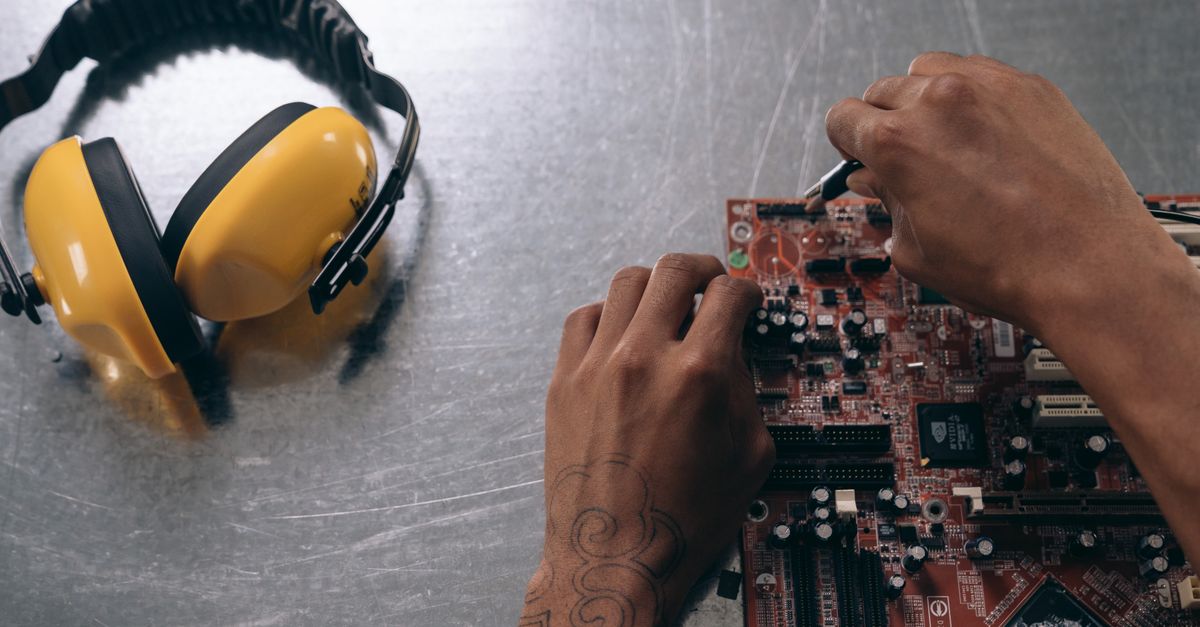
The Importance of Quality in Motherboard Repair Services
Table Of Contents
Tools and Techniques Used in Motherboard Repair
Repairing motherboards requires a variety of specialised tools to ensure precision and efficiency. Soldering irons with adjustable temperature settings are essential for reworking connections or replacing components without causing damage. Multimeters are equally important, allowing technicians to measure voltage and resistance levels to diagnose electrical issues accurately. Additionally, magnifying glasses or microscopes enable closer inspections of circuit pathways and components, highlighting areas that may need attention.
In terms of techniques, professionals often employ reflow soldering, which involves heating the entire board to the melting point of solder, ensuring solid connections are reestablished. BGA (Ball Grid Array) rework stations facilitate the repair of complex microchips by controlling temperature and airflow for optimal results. These tools and techniques, when combined, equip technicians with the necessary capabilities to address a range of motherboard problems effectively.
Essential Equipment for Effective Repairs
Effective motherboard repair relies heavily on having the right tools. A premium-quality soldering iron is essential for precision work on delicate components. This tool allows technicians to join or replace elements on the motherboard without causing damage to surrounding parts. Additionally, an anti-static wrist strap is vital for preventing static electricity from harming sensitive electronic components during the repair process.
Multimeters are indispensable for diagnosing electrical issues on the motherboard. These devices measure voltage, current, and resistance, enabling technicians to pinpoint faults with accuracy. Furthermore, high-quality magnifying lamps assist in examining tiny components, making it easier to detect cracks, burns, or other signs of wear. Having a well-equipped workstation streamlines the repair process while ensuring meticulous attention to detail.
The Cost of Quality Repairs
Quality repairs often come with a higher price tag compared to their cheaper counterparts. While many may be tempted to choose budget services, such options may lead to compromised reliability and durability. Investing in quality repair work ensures that a motherboard is restored to its optimal functioning state, reducing the risk of future issues. Skilled technicians utilise superior techniques and components, contributing to the longevity and performance of the device.
Pricing models in the repair industry can vary significantly based on several factors. Labour costs, the complexity of the issue, and the availability of parts all play a role in shaping the final price. Customers are often encouraged to seek detailed estimates and understand what is included in the service. Transparent pricing not only reflects the quality of work but also builds trust between technicians and clients, essential for a successful repair experience.
Understanding Pricing Models in Repair Services
Repair services for motherboards often employ various pricing models, each tailored to meet different customer needs and expectations. Flat-rate pricing is common, where a specific fee is charged for a particular type of repair, regardless of the time it takes. This model offers transparency, allowing customers to know upfront what to expect. Alternatively, some services may charge hourly rates, which can vary based on the technician's expertise and the complexity of the issue. This approach might be appealing to those who prefer to pay only for the exact time spent on their repairs.
Another factor influencing pricing is the availability of spare parts and the nature of the problem. Repairs may require specialised components that can significantly affect overall costs. In some cases, diagnostic fees may also apply, covering the initial assessment of the motherboard's condition. Understanding these elements can help consumers make informed decisions when selecting a repair service, ensuring they receive quality repairs without any hidden costs.
Preventing Future Motherboard Issues
To ensure the longevity of your motherboard and prevent future issues, regular maintenance is critical. Dust accumulation can lead to overheating, which frequently results in hardware failure. Keeping the computer's interior clean and ensuring proper airflow are essential steps. Additionally, monitoring component temperatures and ensuring that the cooling system is functioning optimally help in mitigating risks associated with heat damage.
Using quality power supplies can also protect motherboards from voltage fluctuations and surges. Implementing surge protectors acts as a safeguard against unexpected spikes in electricity. Regularly updating BIOS and drivers can enhance system stability and overall performance. Being proactive in recognising signs of wear, such as unusual noises or erratic behaviour, allows users to address potential problems before they escalate into costly repairs.
Maintenance Tips for Prolonging Computer Lifespan
Regularly cleaning the internal and external components of a computer can significantly enhance its longevity. Dust accumulation can obstruct airflow, leading to overheating. Using compressed air to carefully blow out dust from components like the motherboard, fans, and heatsinks can help maintain optimal performance. Additionally, keeping the input and output ports free from debris is essential for proper connectivity and function.
Monitoring software updates is vital for ensuring system security and performance. Regular updates to the operating system and installed applications can fix bugs and enhance functionality. In conjunction with up-to-date software, utilising antivirus programs offers a layer of protection against malware and other harmful threats. Implementing a consistent backup schedule safeguards data, providing peace of mind in case of unexpected failures.
FAQS
What are the common signs that a motherboard needs repair?
Common signs include frequent system crashes, inability to power on, unusual beeping sounds during startup, and failure to detect hardware components.
How long does a typical motherboard repair take?
The duration of a motherboard repair can vary depending on the complexity of the issue, but most repairs can take anywhere from a few hours to several days.
Is it worth investing in high-quality motherboard repair services?
Yes, investing in high-quality repair services can ensure better longevity of your device, restore functionality more effectively, and potentially prevent future issues.
What tools and techniques are commonly used in motherboard repairs?
Essential tools include soldering equipment, multimeters, and thermal cameras, while techniques often involve circuit tracing, component replacement, and reflow soldering.
How can I prevent future motherboard issues?
Regular maintenance such as keeping the computer clean, ensuring proper ventilation, using surge protectors, and updating software can help prevent future motherboard problems.
Related Links
Step-by-Step Guide to Motherboard TroubleshootingHow to Choose the Right Replacement Motherboard
Exploring the Latest Trends in Motherboard Technology
Motherboard Compatibility: What You Need to Know
Preventive Measures for Extending Motherboard Lifespan
Cost Factors in Motherboard Replacement Services